- Key Takeaways
- Why Choose a Low-Maintenance and Eco-Friendly Yard?
- How Do You Start Planning Your Yard?
- What Plants Are Best for Low-Maintenance Yards?
- How Can You Reduce Water Usage?
- Why Is Soil Health Important?
- How Can You Minimize Lawn Areas?
- What Role Does Mulch Play in Sustainability?
- How Can You Design Efficient Irrigation Systems?
- How Do You Support Local Wildlife?
- What Hardscaping Options Reduce Maintenance?
- How Can You Use Sustainable Materials?
- How Do You Manage Yard Waste Responsibly?
- How Can You Keep Maintenance Simple?
- What Are Smart Layout Ideas for Efficiency?
- How Can You Combine Beauty and Sustainability?
- How Do You Maintain Your Yard Long-Term?
- Final Thoughts on Designing a Sustainable Yard
Key Takeaways
- Choosing native and drought-resistant plants helps reduce maintenance and water usage
- Improving soil health supports plant growth and minimizes the need for chemicals
- Reducing lawn areas lowers upkeep and creates a more sustainable yard
- Efficient irrigation systems help conserve water and simplify care
- Using mulch and hardscaping elements reduces weeds and maintenance needs
- Supporting local wildlife enhances biodiversity and creates a balanced ecosystem
- Simple, well-planned layouts make long-term yard maintenance easier
Creating a yard that is both easy to maintain and environmentally friendly is a goal for many homeowners. With the right design choices, you can reduce the time spent on upkeep while also conserving water, supporting local ecosystems, and minimizing waste. A thoughtfully planned outdoor space not only looks beautiful but also works in harmony with nature.
Designing a low-maintenance, eco-friendly yard doesn’t require a complete overhaul. By focusing on smart plant selection, efficient systems, and simple landscaping techniques, you can build a space that is both practical and sustainable.
Why Choose a Low-Maintenance and Eco-Friendly Yard?
A traditional yard often requires frequent watering, mowing, fertilizing, and upkeep. Over time, this can become time-consuming and costly. An environmentally conscious approach reduces these demands while benefiting the planet.
Key Benefits
- Saves time and effort on maintenance
- Reduces water consumption
- Lowers long-term costs
- Supports local wildlife and biodiversity
- Minimizes environmental impact
By making intentional choices, you can create a yard that is both functional and responsible.
How Do You Start Planning Your Yard?
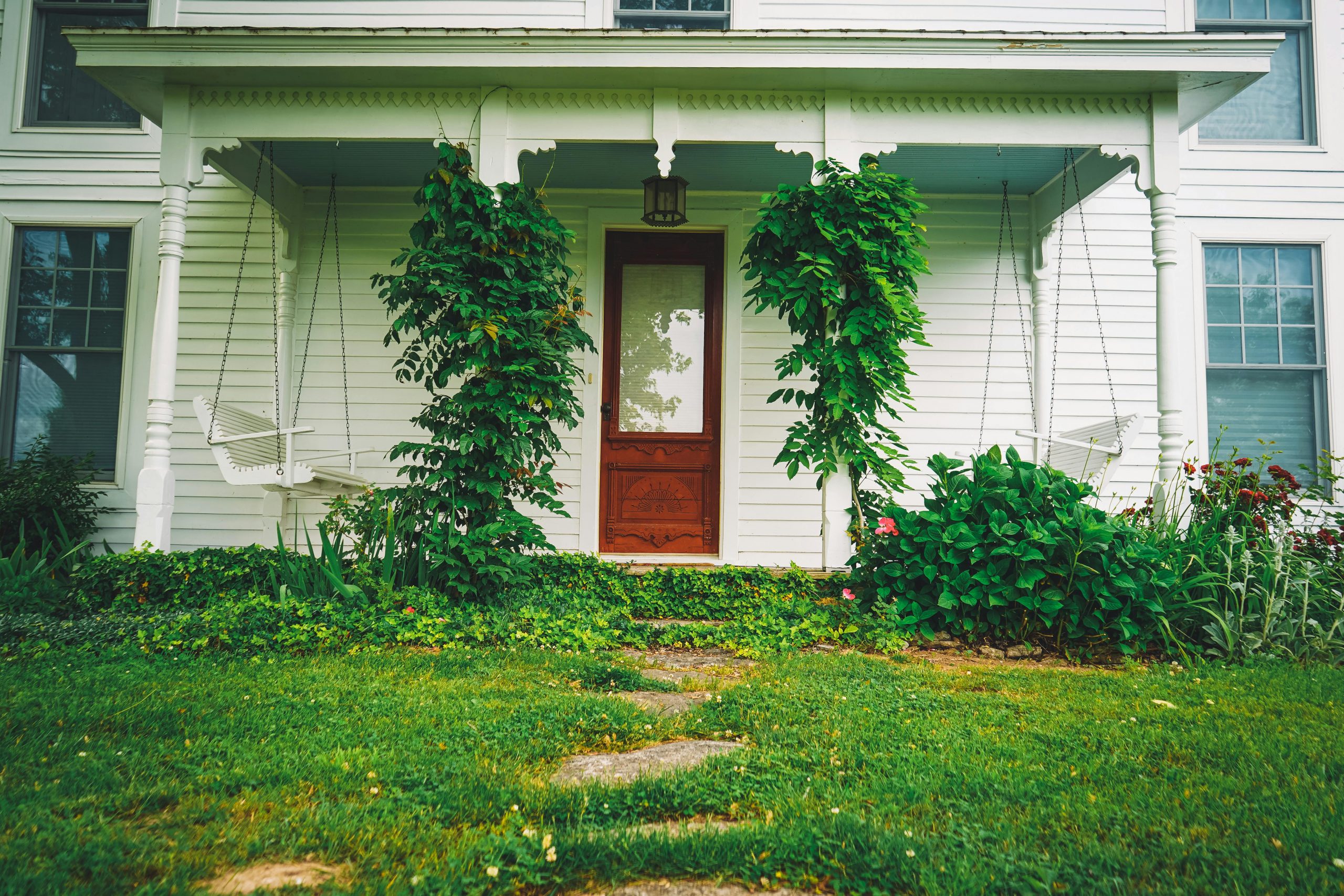
Before making any changes, it’s important to evaluate your current space. Taking time to observe and understand your yard’s natural conditions will help you avoid costly mistakes and choose solutions that truly work for your environment. A well-planned yard is not only easier to maintain but also more efficient and visually balanced.
Planning also allows you to identify what already works and what needs improvement. Instead of starting from scratch, you can build on existing features and make thoughtful adjustments that enhance both function and appearance.
What to Consider
- Sunlight exposure throughout the day: Observe which areas receive full sun, partial shade, or full shade to choose the right plants
- Soil type and drainage: Check whether your soil retains water or drains quickly, as this affects plant health and irrigation needs
- Climate and seasonal changes: Consider temperature variations, rainfall patterns, and weather conditions in your area
- Existing plants and features: Take note of healthy plants, trees, and structures that can be incorporated into your design
Planning ahead ensures your design is both practical and sustainable. By understanding your yard’s unique characteristics, you can create a space that thrives naturally while requiring less effort to maintain.
What Plants Are Best for Low-Maintenance Yards?
Choosing the right plants is one of the most important steps in creating an easy-to-care-for yard.
Ideal Plant Choices
- Native plants adapted to your climate
- Drought-resistant species
- Perennials that return each year
- Slow-growing shrubs
These plants require less water, fertilizer, and attention, making them ideal for sustainable landscaping.
How Can You Reduce Water Usage?
Water conservation is a key part of eco-friendly yard design.
Water-Saving Strategies
- Install drip irrigation systems
- Water early in the morning or late in the evening
- Use mulch to retain soil moisture
- Collect rainwater for reuse
Reducing water usage not only benefits the environment but also lowers your utility bills.
Why Is Soil Health Important?
Healthy soil supports plant growth and reduces the need for chemical fertilizers.
Ways to Improve Soil Quality
- Add compost or organic matter
- Avoid over-tilling
- Use natural fertilizers
- Rotate plants when possible
Good soil management creates a strong foundation for your yard.
How Can You Minimize Lawn Areas?
Large lawns require frequent mowing, watering, and maintenance. Reducing lawn space can significantly lower upkeep.
Alternatives to Traditional Lawns
- Ground covers
- Gravel or stone areas
- Native plant gardens
- Outdoor living spaces
These options are both practical and environmentally friendly.
What Role Does Mulch Play in Sustainability?
Mulch is a simple yet effective way to improve your yard’s efficiency.
Benefits of Mulch
- Retains soil moisture
- Reduces weed growth
- Improves soil quality over time
- Enhances visual appeal
Using mulch helps reduce maintenance while supporting plant health.
How Can You Design Efficient Irrigation Systems?
Efficient irrigation ensures that water is used wisely and reaches plants where it’s needed most.
Smart Irrigation Tips
- Use drip irrigation instead of sprinklers
- Install timers or smart controllers
- Group plants with similar water needs
- Check for leaks regularly
An efficient system reduces waste and simplifies maintenance.
How Do You Support Local Wildlife?
An eco-friendly yard can provide a habitat for beneficial wildlife.
Ways to Attract Wildlife
- Plant native flowers and shrubs
- Provide water sources like birdbaths
- Avoid chemical pesticides
- Create shelter with plants or structures
Supporting wildlife helps maintain a balanced ecosystem.
What Hardscaping Options Reduce Maintenance?
Hardscaping involves non-plant elements that add structure and functionality to your yard.
Low-Maintenance Hardscaping Ideas
- Stone or gravel pathways
- Patios and decks
- Retaining walls
- Decorative rocks
These features reduce the need for watering and mowing while enhancing design.
How Can You Use Sustainable Materials?
Choosing eco-friendly materials is an important step in creating a yard that is both environmentally responsible and long-lasting. Sustainable materials help reduce waste, conserve natural resources, and minimize the overall environmental footprint of your outdoor space. They also tend to be more durable, meaning fewer replacements and less maintenance over time.
Incorporating these materials into your yard design doesn’t just benefit the environment—it can also enhance the natural look and feel of your space. Many sustainable options blend seamlessly with outdoor surroundings, creating a more cohesive and organic appearance.
Sustainable Material Choices
- Recycled or reclaimed wood: Ideal for decking, fencing, or garden structures, reducing the need for newly harvested timber
- Permeable paving materials: Allow water to pass through, reducing runoff and helping replenish groundwater
- Natural stone: Durable and long-lasting, making it a practical choice for pathways, patios, and borders
- Organic mulch: Made from natural materials, it improves soil health while reducing waste
Using sustainable materials reduces environmental impact and supports long-term durability. By making thoughtful material choices, you can create a yard that is both functional and environmentally conscious.
How Do You Manage Yard Waste Responsibly?
Reducing waste is an important part of environmentally friendly landscaping.
Waste Reduction Tips
- Compost organic materials
- Reuse plant clippings as mulch
- Avoid single-use materials
- Recycle when possible
Proper waste management keeps your yard clean and eco-friendly.
How Can You Keep Maintenance Simple?
A low-maintenance yard is designed to require minimal effort over time. The goal is to reduce the need for constant watering, pruning, and upkeep while still maintaining an attractive and functional outdoor space. By setting up the right systems and choosing practical design elements, you can significantly cut down on the time and energy needed to care for your yard.
Simplicity is key when it comes to maintenance. The more complex your layout and plant selection, the more time it will take to manage. A streamlined approach allows you to enjoy your yard without feeling overwhelmed by ongoing tasks.
Maintenance Tips
- Choose plants with similar care needs: Grouping plants with the same water, sunlight, and soil requirements makes care more efficient
- Use automatic irrigation systems: Timers and drip systems ensure consistent watering without daily effort
- Keep designs simple and uncluttered: Fewer elements mean less cleaning, trimming, and overall maintenance
- Perform regular but quick upkeep: Small, consistent tasks like removing weeds or trimming plants prevent bigger issues later
These strategies help you maintain your yard without spending excessive time. By focusing on efficiency and simplicity, you can create an outdoor space that stays beautiful with minimal effort.
What Are Smart Layout Ideas for Efficiency?
A well-planned layout can make your yard easier to manage.
Layout Strategies
- Group plants by water and sunlight needs
- Create clear pathways for access
- Use zones for different purposes
- Keep high-maintenance areas limited
Efficient layouts reduce effort and improve functionality.
How Can You Combine Beauty and Sustainability?
A sustainable yard doesn’t have to sacrifice visual appeal. In fact, eco-friendly designs can be just as beautiful—if not more so—than traditional landscapes.
Many homeowners follow sustainable gardening and landscaping tips to create spaces that are both attractive and environmentally responsible.
Design Tips
- Use a mix of textures and colors
- Incorporate natural elements
- Maintain balance and symmetry
- Highlight focal points
Combining aesthetics with sustainability creates a yard that is both enjoyable and practical.
How Do You Maintain Your Yard Long-Term?
Consistency is key to keeping your yard looking great while staying low-maintenance. Even the most thoughtfully designed outdoor space requires occasional attention to remain healthy and visually appealing. The goal is not to spend hours on upkeep, but to develop simple habits that prevent small issues from turning into time-consuming problems.
Long-term maintenance is about observation and timely action. By checking on your yard regularly and making small adjustments, you can preserve its beauty, support plant health, and avoid costly or labor-intensive fixes later on.
Long-Term Care Tips
- Monitor plant health regularly: Look for signs of stress, pests, or disease so you can address issues early
- Adjust irrigation as needed: Modify watering schedules based on weather, seasons, and plant growth
- Refresh mulch periodically: Replenish mulch to maintain moisture retention and keep weeds under control
- Remove weeds early: Pull weeds as soon as they appear to prevent them from spreading
Regular attention helps prevent larger issues and keeps your yard in top condition. With a consistent approach, your outdoor space will remain attractive, healthy, and easy to maintain throughout the year.
Final Thoughts on Designing a Sustainable Yard
Designing a low-maintenance and environmentally friendly yard is a smart investment for both your home and the planet. By choosing the right plants, reducing water usage, and incorporating efficient systems, you can create a space that is easy to care for and environmentally responsible.
With thoughtful planning and consistent habits, your yard can become a beautiful, functional space that supports your lifestyle while minimizing its impact on the environment.