Summer camps have long been a cherished part of childhood, providing numerous benefits that extend far beyond simple recreation. These programs are designed to foster a wide range of skills and growth opportunities crucial for child development. This article delves into the multifaceted benefits of summer camps, shedding light on their impact on social skills, personal growth, physical health, learning, creativity, and emotional well-being.
1. How Do Summer Camps Improve Social Skills?
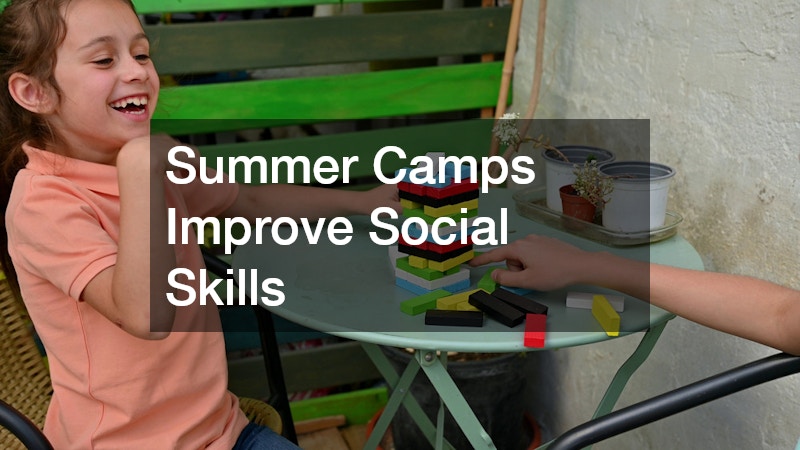
One of the most significant benefits of summer camps is their ability to enhance children’s social skills. In a camp environment, children are surrounded by peers, which offers countless opportunities for making new friends and learning how to navigate social situations.
Through activities and communal living, campers learn the importance of teamwork, communication, and cooperation, all crucial components of effective social interaction.
Moreover, being part of a camp community encourages children to practice empathy and understanding, as they are exposed to diverse perspectives and personalities. In this inclusive setting, children learn to appreciate differences and find common ground, which can significantly enhance their ability to adapt socially. In a structured yet flexible environment, campers practice conflict resolution techniques, which they apply both at camp and in their everyday lives.
Additionally, summer camps provide a safe space for kids to practice independence and make decisions within a group context. As children navigate group challenges and collaborative tasks, they gain confidence in their social abilities. This growth in social proficiency is often reflected in their increased self-esteem and readiness to engage in new social experiences beyond the camp setting.
2. What Impact Do Summer Camps Have On Personal Growth?
Summer camps are fertile grounds for personal growth, offering children the chance to develop independence and self-reliance. Away from the familiar comforts of home, campers are encouraged to take responsibility for themselves in new and varying circumstances. This adjustment period fosters resilience, teaching children how to cope with changes and conquer personal challenges.
In this nurturing environment, campers engage in activities that build leadership skills and encourage self-discovery. Through structured challenges, like obstacle courses or problem-solving tasks, children learn to lead groups, manage conflict, and build consensus. These experiences contribute significantly to their sense of personal accomplishment and confidence.
Furthermore, the diverse range of camp activities allows children to explore and develop new interests and talents. Whether it’s arts and crafts, sports, or outdoor survival skills, camps provide the necessary resources and guidance to cultivate passions. As children explore these interests, they learn the value of dedication, hard work, and personal achievement.
3. How Do Summer Camps Affect Children’s Physical Health?
Physical activity is a cornerstone of most summer camp programs, promoting a healthy and active lifestyle. Camps often place a strong emphasis on outdoor activities, including hiking, swimming, and games, which naturally incorporate exercise into daily life. By participating in these activities, campers improve their physical fitness levels, building strength, endurance, and coordination.
Engaging in regular physical activities at camp also helps inculcate lifelong healthy habits. Children who experience the joy and reward of physical exertion are more likely to continue seeking out physical activities long after the camp concludes. This can lead to better health outcomes and a reduced risk of becoming overweight or developing related health conditions.
Moreover, camps often educate children on nutrition and the importance of balanced meals as a part of overall health and wellness. Through interactive workshops, kids learn to make healthier food choices, which contributes to their physical well-being. Camp counselors serve as role models, reinforcing positive, active behaviors and demonstrating the benefits of maintaining a healthy lifestyle.
4. In What Ways Do Summer Camps Enhance Learning And Creativity?
Summer camps transcend traditional learning environments by providing experiential learning opportunities that stimulate creativity and intellectual growth. Unlike the structured nature of classroom learning, camps offer an informal setting where curiosity is encouraged and hands-on experiences are celebrated. Activities such as crafts, drama, and music allow children to express their creativity freely and develop new skills.
This creative engagement is complemented by problem-solving tasks, STEM activities, and exploratory workshops that foster a love for learning. Children at camp are encouraged to think critically and explore concepts in a practical and relatable manner. This experiential learning fosters a deeper understanding of various subjects and inspires innovative thinking.
Additionally, the exposure to nature and outdoor activities at camp provides unique educational experiences that are difficult to replicate in a traditional classroom. Nature hikes and environmental games promote ecological literacy, while inspired exploration enthuses children to learn more about the world around them. These enriched learning experiences can ignite a lifelong passion for education and discovery.
5. What Are The Emotional Benefits Of Attending Summer Camps?
Attending summer camp can have profound effects on a child’s emotional well-being, as it creates opportunities to build emotional intelligence and resilience. Camps provide a supportive environment where children can safely express their emotions and learn to understand the feelings of others. This secure setting helps children manage and navigate interpersonal relationships more effectively.
Furthermore, achieving personal milestones and facing fears head-on at camp leads to an enhanced sense of self-worth and pride. Overcoming obstacles such as fear of height in a ropes course or participating in a talent show plays a crucial role in developing self-confidence. The supportive camp community fosters an affirming atmosphere, promoting healthy emotional development.
Finally, summer camps often include structured downtime, helping campers to unwind and develop a balanced sense of emotional wellness. Through tranquil activities like campfires and quiet reflection sessions, children learn techniques for relaxation and stress management. These skills are invaluable, equipping young individuals with emotional tools they can use throughout their lives.
Summer camps offer an invaluable array of benefits centered around the holistic development of children. From enhancing social skills to fostering personal growth, promoting physical health, and nurturing creativity, camps model an environment of learning and exploration that is unparalleled. Ultimately, the positive impact of these experiences underscores the vital role camps play in shaping well-rounded and capable young individuals.