Understanding what makes a private elementary school stand out in the competitive landscape of education is essential for parents and educators alike. This article explores the qualities that differentiate the best private elementary schools in the United States. With a myriad of factors contributing to a school’s reputation, it can be challenging to pinpoint what truly makes a top-tier institution.
However, certain qualities consistently appear across schools that are often touted as the best. These aspects offer insight into how these schools maintain their esteemed standings.
- How do private elementary schools ensure high academic standards?
- What role does extracurricular activities play in private elementary schools?
- How does school environment influence learning in private elementary schools?
- What are the characteristics of strong leadership in private elementary schools?
- How do private elementary schools measure and ensure student success?
How do private elementary schools ensure high academic standards?
High academic standards are a hallmark of the best private elementary schools. They achieve this through a rigorous curriculum that is continually reviewed and updated to meet the latest educational benchmarks. Teachers at these schools are often highly credentialed, bringing a wealth of knowledge and expertise to the classroom. Furthermore, these institutions tend to maintain smaller class sizes, allowing for more personalized attention and tailored instruction. In turn, this results in an environment where students are encouraged to excel academically.
Regular assessments are another key component in maintaining high academic standards. These schools utilize a variety of evaluation methods to track student progress and identify areas for improvement. This constant feedback loop enables teachers to adapt their teaching strategies to better serve the needs of their students. Moreover, high academic standards are supported by comprehensive professional development opportunities for teachers, ensuring they stay ahead of educational trends and methodologies. This commitment to excellence fosters a learning culture that prioritizes student achievement.
Private elementary schools also engage in continuous collaboration with parents and guardians. Regular parent-teacher conferences and detailed progress reports keep communication lines open and transparent. Additionally, many schools implement enrichment programs that challenge students beyond the traditional curriculum. This could include advanced placement coursework or specialized instruction in subjects like STEM, arts, or languages. Such initiatives ensure that students not only meet but exceed academic expectations, preparing them for future academic pursuits.
What role does extracurricular activities play in private elementary schools?
Extracurricular activities are an integral part of the educational experience at the best private elementary schools. These programs provide students with opportunities to explore interests outside of the core academic subjects, fostering well-rounded personal development. Participation in extracurricular activities has been shown to boost self-esteem and social skills, skills that are critical for overall personal growth. Schools often offer a wide range of activities such as music, art, sports, and club organizations, providing students with multiple avenues for exploration. Such diversity allows students to discover their passions and talents, further enhancing their educational journey.
These activities also play a vital role in cultivating leadership skills and teamwork. Many private elementary schools encourage students to take on leadership roles within clubs or teams, enabling them to gain valuable experience in managing responsibilities and collaborating with peers. This practice builds confidence and hones communication skills, tools that are essential both in and out of the classroom. Additionally, extracurricular programs often emphasize community service and engagement, teaching students the importance of giving back to society. This holistic approach nurtures well-rounded individuals prepared to contribute positively to the world.
Extracurricular activities provide a valuable outlet for creative expression and stress relief. In today’s fast-paced academic environment, it is essential for students to have access to leisure activities that encourage relaxation and fun. Many private schools recognize this and carefully balance workload and extracurricular offerings to ensure students thrive both academically and personally. Events such as school plays, art exhibitions, and sports tournaments create vibrant communities and foster school spirit. This enriched educational atmosphere contributes to a positive and supportive school environment where students are motivated to excel.
How does school environment influence learning in private elementary schools?
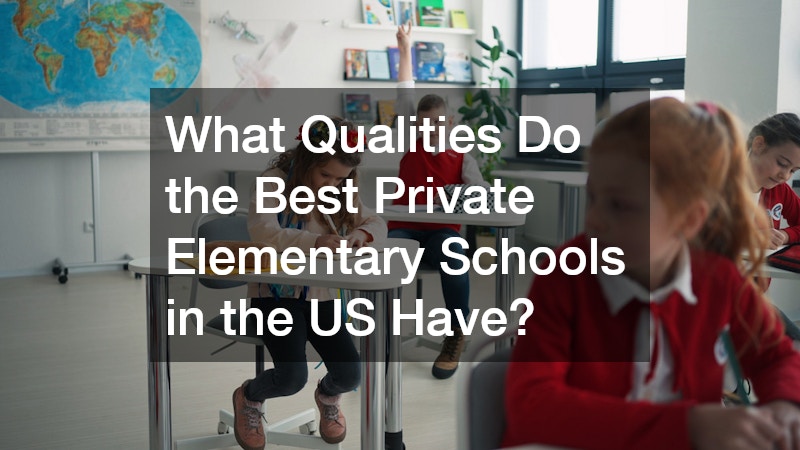
The school environment is a crucial factor in influencing learning outcomes in private elementary schools. A safe, nurturing, and inclusive environment is paramount for academic success. Leading private schools prioritize creating spaces where students feel valued and respected, irrespective of their backgrounds. These values are embedded in the school’s culture through positive interactions among students, staff, and the broader school community. This inclusive atmosphere encourages students to participate actively and take intellectual risks without fear of judgment.
Physical surroundings also play a significant role in shaping the school environment. Many top-tier private schools invest in state-of-the-art facilities that are designed to enhance learning experiences. This includes modern classrooms equipped with advanced technology, well-resourced libraries, and specialized labs for science, technology, and art. Outdoor spaces such as playgrounds and sports fields contribute to physical health and well-being, providing students with places to engage in physical activities. Such environments are conducive to learning and inspire students to engage more fully with their education.
A strong sense of community is another defining feature of the best private elementary schools. Through organizing events and fostering parent involvement, these schools create bonds that extend beyond the classroom. Celebrations of diverse cultures, traditions, and achievements engender a sense of belonging among students and families. This supportive community ensures that each student is given attention and support, further enhancing their ability to excel academically. The ripple effect of a positive school environment extends to home life, strengthening the overall educational experience.
What are the characteristics of strong leadership in private elementary schools?
Strong leadership is a defining characteristic of the best private elementary schools. Effective school leaders possess a clear vision and work collaboratively with teaching staff, parents, and students to achieve the institution’s objectives. They are adept at creating and implementing policies that advance educational goals while fostering a conducive learning environment. By prioritizing transparency and open communication, they cultivate a trusting relationship with the school community. This collaborative approach to leadership ensures that all stakeholders are involved in decision-making processes, driving positive growth and innovation within the school.
Visionary leaders in private elementary schools also prioritize teacher development and support. They understand that the success of a school largely depends on the motivation and skills of its teaching staff. Comprehensive professional development programs and opportunities for teachers to acquire new skills are a testament to this commitment. Encouraging a culture of continuous improvement among staff not only enhances teaching practices but also enriches the student experience. Such determined and thoughtful leadership ensures sustained excellence in education.
Moreover, strong leaders demonstrate adaptability and resilience in the face of challenges. In a rapidly changing educational landscape, they remain committed to addressing emerging issues and integrating new technologies and methodologies. By fostering innovation and creativity, these leaders prepare their schools for the future, ensuring they remain at the forefront of educational excellence. Through strategic planning and proactive problem-solving, strong leaders guide their schools towards sustained success, making them an inspiration for educational institutions nationwide.
How do private elementary schools measure and ensure student success?
Measuring and ensuring student success is a multi-faceted endeavor in the best private elementary schools. These schools employ a comprehensive approach, considering both academic achievements and personal growth. Standardized testing often serves as a benchmark for academic performance, providing data to inform curriculum and instruction. However, the emphasis is equally placed on formative assessments, which offer ongoing insights into a student’s understanding and progress. This balanced approach allows educators to tailor instruction to meet individual student needs effectively.
In conjunction with academic measures, private elementary schools place importance on soft skills development. These attributes—such as critical thinking, emotional intelligence, and collaboration—are essential for long-term success and are embedded in the school’s curriculum and culture. Teachers evaluate these skills through student interactions, project-based learning opportunities, and peer assessments. This focus on holistic development ensures that students are not only prepared for the next educational stage but are also equipped with life skills essential for personal and professional success.
Parental involvement is also a cornerstone of ensuring student success in private elementary schools. Schools facilitate regular communication with parents through meetings, newsletters, and interactive platforms. This partnership between home and school supports students’ academic and personal growth, reinforcing learning outside the classroom. By engaging parents in their child’s education, the best private elementary schools create a comprehensive support system that nurtures student potential and encourages continuous improvement. Collectively, these strategies facilitate a learning environment where students thrive and achieve their fullest potential.
The best private elementary schools in the US not only emphasize academic excellence but also foster a nurturing environment that supports the overall development of students. By understanding the key qualities these schools possess, parents and educators can make informed decisions in shaping the future of their children. From strong academic programs and enriching extracurricular activities to supportive environments and visionary leadership, these schools embody the qualities necessary for cultivating young minds. The emphasis on holistic growth ensures that students emerge as well-rounded individuals ready to tackle future challenges with confidence and competence. As private elementary schools continue to evolve, their commitment to providing exemplary education remains steadfast, preparing the leaders and innovators of tomorrow.