Choosing a career in a licensed field like cosmetology or childcare means stepping into a world of rules you did not write but must still follow. These regulations can feel confusing or even frustrating when you are simply trying to figure out how to get started. Understanding why licensing exists, who enforces it, and how it affects your timeline and budget can save you months of wasted effort. This article breaks down the reasoning behind these requirements so you can plan your path with confidence.
Understanding the Purpose Behind State Licensing Requirements
Licensing rules exist primarily to protect the public from harm, whether that harm is physical, developmental, or financial. States set minimum standards for education, hands-on practice, and testing because these careers involve direct, hands-on responsibility for other people’s health and safety. Without these standards, there would be no consistent way to verify that a worker knows how to handle chemicals safely or respond to a child’s medical emergency. Licensing boards act as the gatekeepers, reviewing applications and enforcing continuing education so standards do not slip over time.
It is worth remembering that licensing is not just bureaucratic red tape invented to slow people down. Each requirement usually traces back to a documented safety concern or past incident that prompted lawmakers to act. This is why rules can look different from state to state, since local incidents and lobbying efforts shape how strict or lenient a state becomes.
How Beauty Industry Regulations Protect Clients and Workers
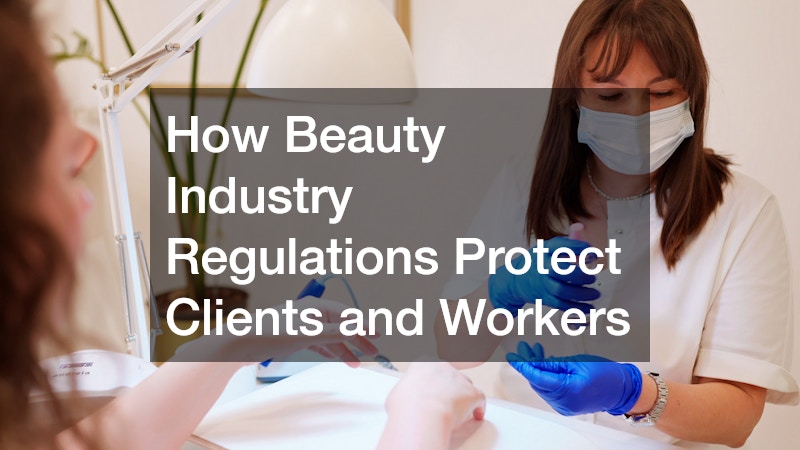
Beauty and personal care licensing exists because many treatments involve sharp tools, heat, and chemical products that can cause real injury if misused. Regulators require candidates to complete a set number of hours at a cosmetology school before they can sit for a licensing exam, ensuring every practitioner has practiced sanitation, technique, and safety under supervision. These programs typically cover hair, skin, and nail services, along with infection control practices that protect both the client and the professional performing the service.
Beyond the classroom hours, students usually complete supervised practice on real clients before graduating, which builds confidence and catches mistakes early. This structure benefits consumers directly, since it means anyone holding a valid license has demonstrated competence rather than simply claiming it. Choosing a state-approved program is the only way to guarantee that the hours you complete will actually count toward your license.
Why Skin Care Specialists Face Their Own Licensing Path
Skin care work has grown into its own specialized licensing category in most states, separate from general cosmetology. This distinction exists because facials, chemical peels, and other skin treatments carry unique risks tied to product strength and skin sensitivity. A licensed esthetician typically completes 300 to 750 hours of coursework, depending on the state, compared to the 1,000 to 2,300 hours required for a full cosmetology license. That gap in hours reflects a narrower but deeper scope of practice. Esthetician training gives candidates focused instruction in skin analysis, extraction techniques, and reaction management, along with product chemistry for acids and exfoliants used in peels. Students also learn to recognize contraindications, such as active rosacea or certain medications, that make a treatment unsafe for a given client. A broader cosmetology curriculum might only touch on these topics briefly, since it has to divide time among hair, nails, and skin. Some states also offer an advanced tier, often called a master esthetician license, which permits more invasive procedures like microdermabrasion or chemical peels with higher acid concentrations. This layered structure lets regulators match the depth of training to the level of risk a given treatment poses.
Because this path is narrower, it often takes less time to complete than a full cosmetology program. Esthetics training typically requires 300 to 600 hours of coursework, depending on the state, compared to the 1,000 to 1,600 hours many cosmetology programs demand. That shorter timeline appeals to people who know exactly which services they want to offer and don’t want to spend time studying haircutting or nail care they’ll never use professionally. The curriculum focuses on facials, chemical peels, extractions, waxing, and product knowledge related to skin conditions like acne, rosacea, and sun damage. Graduates still must pass a written and sometimes practical exam before receiving a license, and many states also require proof of completed clinical hours before candidates can sit for testing. Some states go further and offer an advanced tier, often called a master esthetician license, which permits procedures like microdermabrasion or chemical peels at deeper strengths. Employers value this specialization because it signals a deeper, more focused skill set in skin health rather than a general familiarity spread across many services. For spas, dermatology offices, and medical practices, that focused training often matters more than a broader cosmetology background.
How Working With Children Reshapes Licensing Expectations
Licensing in childcare settings is built around a different kind of risk than in a salon, since the people being cared for are often too young to advocate for themselves or recognize danger. Regulators focus heavily on background checks, staff-to-child ratios, facility safety inspections, and training in areas like CPR, nutrition, and child development stages. These requirements are typically enforced not just by a state licensing board but also by local health and fire departments, creating layered oversight.
Anyone hoping to run or work in a licensed childcare setting should expect ongoing monitoring even after the initial approval is granted. Inspections can happen with little notice, and renewal often requires proof of continuing education in topics like emergency preparedness or behavioral guidance. This is a meaningful difference from many beauty licenses, which tend to require renewal but not the same level of physical site inspection.
Comparing Costs and Timeframes Across Licensed Careers
One of the most practical questions people ask is how much time and money they need to set aside before they can start earning an income. Costs vary widely depending on the program length, location, and whether the school is public or private, so comparing multiple options before enrolling is a smart move. Financial aid, payment plans, and employer sponsorships can sometimes offset the upfront investment, particularly in fields facing worker shortages.
- Program length can range from a few months for specialized certificates to over a year for full licensure tracks
- Total cost often includes tuition, supplies, exam fees, and background check fees
- Some employers reimburse training costs in exchange for a work commitment
- State licensing fees are usually separate from tuition and must be renewed periodically
- Part-time program options exist for people balancing work or family obligations while training
Licensing rules can feel like a maze at first, but they exist to build trust between workers and the people who rely on their care and expertise. Once you understand the reasoning behind these requirements, choosing a program and timeline becomes far less intimidating. Take time to research your state’s specific rules, compare accredited programs, and talk to people already working in the field before committing. That groundwork will make your path to licensure smoother and your career more sustainable in the long run.