
If your skin flares up, itches, or breaks out after contact with certain plants or products, you already know how frustrating it is to identify the real trigger. Many people assume their skincare routine is the problem, when the culprit might actually be growing right outside their door. Skincare professionals increasingly point to garden plants treated with pesticides, synthetic fertilizers, and herbicides as hidden irritants for sensitive skin. Understanding how your garden choices connect to your skin health can help you build an outdoor space that supports, rather than sabotages, your complexion.
Identify Common Garden Irritants Affecting Sensitive Skin
Many ornamental plants are treated with systemic pesticides that remain in leaves, stems, and sap long after application, and brushing against them can trigger contact dermatitis in people with reactive skin. Fertilizers containing synthetic nitrogen compounds can also leave residue on soil and foliage that transfers easily to hands and forearms during gardening tasks. Weed killers sprayed near walkways or garden beds often drift onto nearby plants, meaning even untreated greenery can carry trace chemicals. People with eczema, rosacea, or allergic skin conditions tend to notice reactions faster because their skin barrier is already compromised.
Beyond the chemicals themselves, some plants naturally produce irritating oils or sap, and when combined with pesticide residue, the irritation compounds. This is why dermatologists often ask patients with unexplained rashes about recent yard work or new landscaping.
- Chrysanthemums and ragweed can cause allergic contact dermatitis even without added chemicals
- Treated rose bushes often carry residue on thorns and leaves that lingers after rain
- Mulch treated with artificial dyes can transfer color and chemical residue to skin
- Pesticide-treated grass clippings are a frequent cause of lower leg irritation
Choose Organic Soil and Natural Fertilizer Options
Switching to organic soil amendments is one of the simplest ways to reduce chemical exposure in a home garden. Compost, aged manure, and bone meal provide nutrients without the synthetic additives found in many commercial fertilizers. These natural options also tend to be gentler on skin if accidental contact happens while planting or weeding, since they lack the concentrated salts and synthetic compounds that can trigger irritation or allergic reactions. When choosing amendments, look for products labeled OMRI-listed or certified organic, which confirms they meet strict standards for natural sourcing. Well-aged compost should smell earthy rather than sour or ammonia-like, a sign it has fully broken down and is less likely to harbor harsh residues. Aged manure needs at least six months of curing before use, as fresh manure can contain higher concentrations of compounds that irritate sensitive skin on contact. Other gentle options worth considering include worm castings, kelp meal, and rock dust, all of which release nutrients slowly and naturally. These alternatives also reduce runoff of harsh chemicals that could linger on garden gloves, tools, or clothing. Over time, organic soil builds healthier microbial activity, which can reduce the need for chemical interventions altogether. A thriving soil ecosystem also means fewer pest and disease problems down the line, further limiting any temptation to reach for synthetic treatments that pose risks to sensitive skin.
Reading labels carefully matters just as much as choosing organic products. Some fertilizers marketed as “natural” or “plant-based” still contain additives like synthetic surfactants, dyes, or chemical stabilizers that can irritate sensitive skin, so checking the full ingredient list is worth the extra few minutes. Look specifically for products certified by organizations like OMRI (Organic Materials Review Institute) or those labeled USDA Organic, since these certifications require verified sourcing rather than relying on vague marketing claims. Compost, worm castings, bone meal, and fish emulsion are generally safer bets, though fish emulsion can still cause skin sensitivity for some gardeners during application. Soil amendments deserve the same scrutiny. Many bagged potting mixes include synthetic wetting agents or slow-release chemical fertilizers coated in plastic resin, which can shed residues into the soil and onto bare hands over time. Opting for mixes labeled “chemical-free” or making your own blend from compost, peat alternatives, and perlite gives you more control over what ultimately touches your skin. Wearing gloves while handling any fertilizer, even organic varieties, adds an extra layer of protection, especially for those with eczema or contact dermatitis prone skin.
- Look for OMRI-certified organic fertilizers, which verify ingredients meet USDA organic standards and exclude synthetic chemicals
- Use compost tea as a gentle, nutrient-rich alternative to synthetic liquid fertilizers, steeping it 24-48 hours before applying to soil
- Avoid products labeled only as “natural” without third-party certification, since that term isn’t regulated and can mask hidden additives
- Check for additional seals like Certified Naturally Grown or USDA Organic to cross-verify a product’s claims
- Test new soil amendments on a small patch before full application, waiting at least a week to watch for unexpected reactions
- Wear gloves when handling new fertilizers or soil blends to prevent direct skin contact during the testing phase
Select Low-Irritation Plants for Garden Beds
Not all plants carry equal risk for sensitive skin, and choosing the right species can make gardening far more comfortable. Native plants adapted to local conditions typically require fewer pesticide treatments because they already resist regional pests and diseases. Soft-leaved herbs like lavender, chamomile, and calendula are popular choices because they are low-irritant and often used in skincare formulations themselves. Avoiding thorny, sap-heavy, or heavily hybridized ornamental varieties can also reduce the chance of skin reactions during routine maintenance.
- Chamomile and calendula are gentle additions often recommended by herbalists
- Native wildflowers generally need less chemical intervention to thrive
- Avoid poison ivy look-alikes and sap-producing ornamentals near walkways
- Choose thornless rose varieties if roses are a must-have for your garden
Practice Safe Gardening Habits to Protect Skin Barrier Function
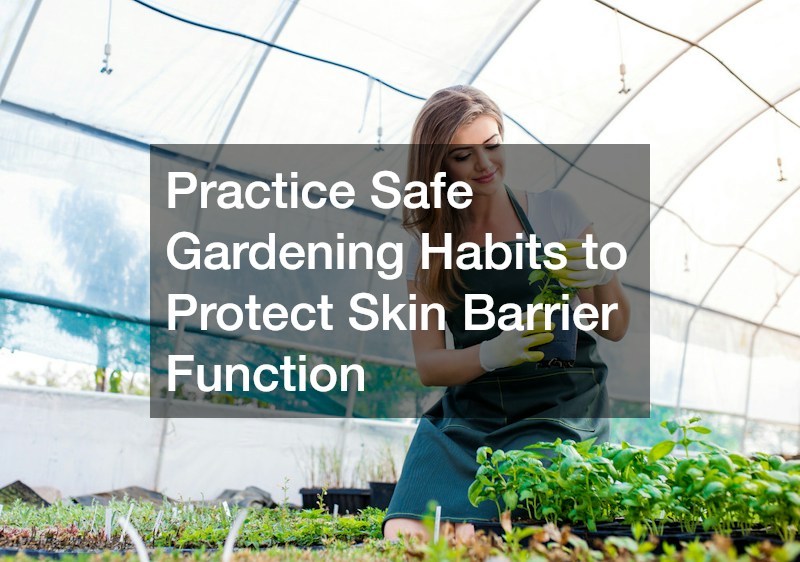
Even a chemical-free garden requires some basic precautions to protect sensitive skin during hands-on work. Wearing breathable gloves while weeding or pruning prevents direct contact with plant sap, soil bacteria, and any residual chemicals from neighboring properties. Washing hands and forearms promptly after gardening, rather than waiting until a shower later, reduces the time irritants sit on skin. Choosing early morning or late afternoon for yard work also helps because midday sun combined with skin irritation can worsen inflammation.
It is also worth noting that many skincare professionals develop this kind of plant and ingredient knowledge through formal training. Estheticians study skin barrier function, allergen identification, and ingredient science as part of their coursework, which is why some of the best esthetician schools now include modules on environmental and botanical triggers alongside traditional facial treatment techniques. This cross-disciplinary knowledge helps professionals give more informed advice when clients report unexplained flare-ups tied to outdoor exposure.
- Wear long sleeves and gloves during extended gardening sessions
- Rinse skin with cool water immediately after contact with unfamiliar plants
- Keep a basic first-aid kit with hydrocortisone cream nearby for minor reactions
- Schedule gardening during cooler parts of the day to limit sweat-related irritation
Build a Sensitive Skin Friendly Garden Layout
Thoughtful garden design can reduce accidental skin contact without sacrificing beauty or variety. Raised beds and wider pathways keep plants from brushing against bare arms and legs as you walk through the space. Grouping higher-risk plants, like those with sap or fine hairs, toward the back of a bed keeps them out of casual reach. Adding stepping stones or mulched paths also minimizes direct soil contact, which matters for anyone prone to fungal or bacterial skin issues.
- Use raised beds to limit bending and brushing against foliage
- Place fragrant or sap-heavy plants away from main walking paths
- Install wide, clearly marked pathways to avoid accidental contact
- Choose mulch made from untreated wood rather than dyed varieties
Building a chemical-free garden is a practical, achievable step toward reducing unexplained skin irritation and supporting overall skin health. Start small by swapping one fertilizer or replacing a single high-risk plant, then expand as you notice improvements. Pay attention to how your skin responds over the following weeks, since changes often take time to become noticeable. With a bit of planning, your garden can become a space that nurtures your skin instead of working against it.