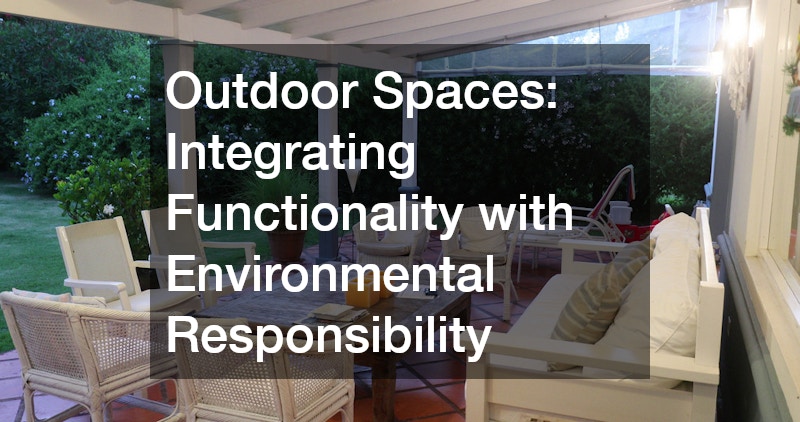
A backyard or front yard can be so much more than a patch of grass to mow every weekend. Whether you are dreaming of a space for entertaining, a quiet retreat, or a yard that supports local wildlife, the choices you make now will shape how the space looks, feels, and functions for years to come. The good news is that functionality and environmental responsibility are not competing goals. With some planning, you can create an outdoor area that serves your lifestyle while reducing water use, chemical runoff, and long-term maintenance headaches. This guide walks through the key decisions homeowners face when designing a yard that works as hard as it looks good.
- Defining What You Actually Want From Your Yard
- Building Healthy Soil and Greenery From the Ground Up
- Protecting and Caring for Mature Trees
- Designing Patios, Walkways, and Outdoor Structures
- Creating a Functional Outdoor Cooking and Dining Area
- Solving Storage Without Sacrificing Style
- Choosing Comfortable and Durable Outdoor Furniture
- Lighting the Space for Safety and Ambiance
- Managing Water Use and Long-Term Maintenance
Defining What You Actually Want From Your Yard
Before any digging, planting, or shopping begins, it helps to get specific about how you actually plan to use the space. A family with young kids might prioritize a durable lawn for play and a fenced perimeter, while a retired couple may want a low-maintenance garden, a shaded seating nook, and raised beds that don’t require much bending. Someone who loves to entertain might rank a patio and outdoor kitchen above flower beds, while a remote worker might crave a quiet reading corner instead.
Walk your property at different times of day, ideally morning, midday, and early evening, and note where sun, shade, and drainage patterns naturally occur. A spot that looks perfect at noon might turn into a swamp after heavy rain or sit in deep shade by 4 p.m., both of which matter for plant choices and hardscaping placement.
Once you understand these patterns, write down a priority list ranked by importance rather than trying to do everything at once. Separating “must-haves” like safe drainage or usable shade from “nice-to-haves” like a fire pit or water feature keeps the project realistic, sequenced sensibly, and easier to fit within a set budget.
- Entertaining space for gatherings and meals, sized for how you actually host (an intimate 10×10 ft patio vs. a full outdoor kitchen for large parties)
- Play area for children or pets, factoring in durable surfacing like mulch or rubber matting and sightlines from the house
- Low-maintenance garden beds for relaxation, using native or drought-tolerant plants to cut watering and upkeep time
- Space for growing food or supporting pollinators, whether raised beds, a small herb garden, or a native flower patch
- Privacy screening from neighbors or the street, using fencing, hedges, or trellised vines depending on how quickly you need coverage
- Storage or utility zones for tools, bikes, or bins, keeping clutter out of main living areas
Building Healthy Soil and Greenery From the Ground Up
Every outdoor space, no matter how it will be used, depends on healthy soil as its foundation. A soil test tells you whether your yard needs amendments before you invest in new plants, sod, or garden beds, and it can save you from costly trial and error later. Many homeowners find it worthwhile to consult a lawn care company early on, since they can evaluate soil pH, compaction, and drainage issues that are hard to diagnose on your own.
Once you understand your soil conditions, choosing the right plants becomes much easier. Reputable plant nurseries can guide you toward species that are native or well-adapted to your climate, which typically require less water and fewer pesticides than non-native ornamentals. Native plants also tend to support local pollinators and birds, adding an ecological benefit on top of reduced maintenance.
- Request a soil test before planting anything new
- Ask about drought-tolerant or native species at the nursery
- Avoid invasive plants that can spread beyond your yard
- Group plants with similar water needs together
- Consider seasonal bloom times for year-round interest
Protecting and Caring for Mature Trees
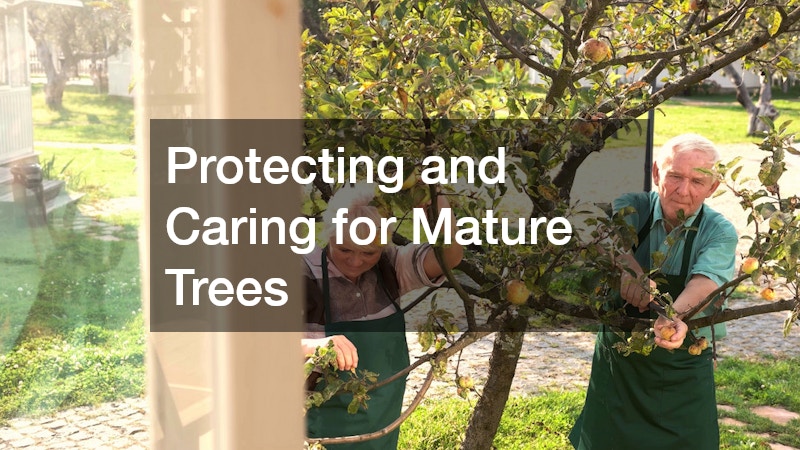
Established trees are one of the most valuable assets on any property, providing shade, cooling the surrounding air, and increasing home value in ways that new landscaping simply cannot replicate overnight. Unfortunately, tree health problems are often invisible until they become serious, which is why periodic checkups matter. Certified arborists can identify early signs of disease, root damage, or structural weakness long before a tree becomes a safety hazard.
Beyond emergency care, arborists also play a role in long-term planning. They can advise on proper pruning schedules, recommend which species will thrive in your specific soil and climate, and help you avoid planting trees too close to underground utilities or foundations. This kind of professional insight protects both the tree and your property investment.
- Schedule tree inspections every one to two years
- Watch for leaning trunks, dead branches, or fungal growth
- Avoid heavy pruning during active growing seasons
- Mulch around tree bases to retain moisture and regulate temperature
Designing Patios, Walkways, and Outdoor Structures
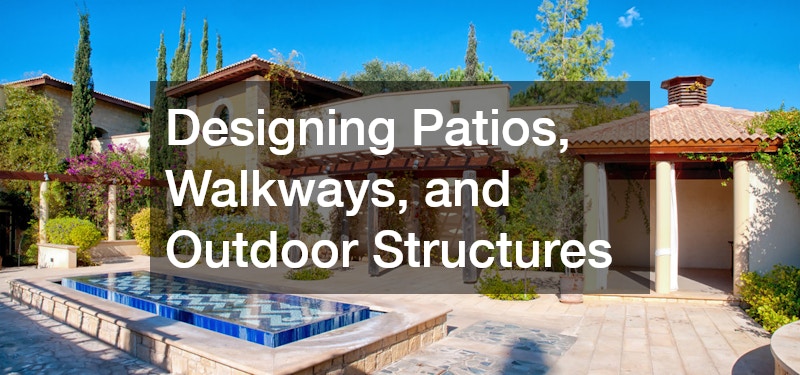
Hardscaping elements like patios, walkways, and retaining walls give an outdoor space its bones, creating clear zones for different activities while reducing the amount of lawn that needs constant watering and mowing. A well-planned hardscaping company will consider drainage, slope, and material permeability so that hard surfaces do not contribute to runoff or flooding during heavy rain. Even a modest 2% grade away from a home’s foundation can make the difference between water pooling on a patio and water draining safely into a planted swale.
Material choice matters just as much as layout. Permeable pavers, for example, allow water to filter back into the ground rather than washing pollutants into storm drains, and many systems can infiltrate several inches of rainfall per hour when properly installed over a gravel base. Decomposed granite, gravel, and permeable concrete are worth considering for walkways where a softer, more natural look is desired, while traditional poured concrete or mortared stone may still make sense for high-traffic patios that need a firm, level surface.
Retaining walls deserve special attention on sloped lots, since they control erosion and create usable flat terraces out of otherwise unusable grades. Options range from segmental block systems to natural stone or timber, each with different drainage requirements behind the wall to prevent hydrostatic pressure from causing failure. A reputable hardscaping company will typically include a perforated drain pipe and gravel backfill behind any wall taller than a couple of feet, protecting the structure and the landscape it supports for decades to come.
Material choice matters just as much as layout when it comes to durability and environmental impact. A local stone supplier can offer regionally sourced options like flagstone, limestone, or granite that reduce transportation emissions compared to imported materials, while also blending more naturally with the surrounding landscape. Sourcing within a 200-mile radius, for instance, can cut the carbon footprint of shipping by a significant margin compared to stone imported from overseas quarries.
Natural stone also tends to outlast concrete alternatives, meaning fewer replacements and less waste over time. While poured concrete patios often show cracking and surface wear within 15 to 20 years, properly installed stone can remain structurally sound for 50 years or more with minimal maintenance.
Beyond longevity, working with a knowledgeable stone supplier allows homeowners to select materials suited to local climate conditions, such as freeze-thaw resistant stone in colder regions or heat-reflective, lighter-colored stone in warmer climates. This attention to regional suitability further reduces the likelihood of costly repairs and premature replacement.
- Choose permeable materials—such as porous pavers, gravel, or permeable concrete—where drainage is a concern, since they can reduce runoff by up to 80% compared to solid concrete
- Ask about locally quarried stone within 100-200 miles to reduce shipping impact and support regional suppliers
- Plan pathways that follow natural foot traffic patterns, using desire lines observed over a season rather than rigid geometric layouts
- Consider slope and grading to prevent water pooling, aiming for a 1-2% grade away from structures
- Incorporate swales or rain gardens along pathway edges to capture excess runoff before it reaches storm drains
Creating a Functional Outdoor Cooking and Dining Area

Outdoor cooking spaces have become one of the most requested additions to modern backyards, and for good reason, since they extend usable living space without the cost of a home addition. An outdoor kitchen can range from a simple grill station to a full setup with counters, storage, and a sink, depending on how often you entertain and how much space is available. Positioning it near the indoor kitchen simplifies plumbing and electrical work while making it easier to carry food and supplies back and forth.
Choosing weather-rated equipment is essential for longevity in an outdoor setting. Many appliance stores now carry lines specifically built to withstand rain, temperature swings, and UV exposure, which differ significantly from standard indoor models. Investing in these purpose-built appliances upfront typically costs less over time than repeatedly replacing indoor units that were never designed for outdoor conditions.
- Decide between a basic grill station or a full cooking setup
- Look for weather-resistant, UV-stable appliance finishes
- Plan adequate ventilation for enclosed or covered cooking areas
- Include prep counter space near the grill or cooktop
Solving Storage Without Sacrificing Style
Outdoor entertaining and gardening both generate a surprising amount of gear, from cushions and tools to grilling accessories, and without a plan this clutter tends to pile up on patios and porches. Built-in storage keeps these items protected from weather while keeping the space looking intentional rather than chaotic. Many homeowners now choose outdoor cabinets made from marine-grade polymer or powder-coated aluminum, since these materials resist rust, warping, and fading far better than untreated wood.
When planning storage, think about proximity to where items are actually used. Cabinets near the cooking area work well for utensils and serving dishes, while a separate storage bench near the garden makes sense for tools and pots. Matching finishes to your overall design theme helps storage blend in rather than standing out as an afterthought.
- Choose rust-resistant materials for humid or coastal climates
- Place storage near where items are used most often
- Look for lockable options if storing valuable tools or equipment
- Consider ventilated cabinets for damp items like cushions
Choosing Comfortable and Durable Outdoor Furniture
Comfortable seating and dining pieces are what actually turn a yard into a gathering place, but outdoor conditions demand different materials than indoor furniture. Sun exposure, rain, and temperature swings can quickly degrade poor-quality pieces, so it pays to shop carefully rather than choosing based on price alone. A knowledgeable furniture store can walk you through the tradeoffs between materials like teak, aluminum, and synthetic wicker, each of which handles weather differently.
Beyond material durability, think about how furniture will actually be used throughout the seasons. Cushions with removable, washable covers make cleanup easier, while modular pieces allow you to rearrange seating for different group sizes or events. Storing or covering furniture during harsh weather extends its lifespan significantly regardless of material quality.
- Compare teak, aluminum, and synthetic wicker for your climate
- Choose fade-resistant fabrics for sun-exposed seating areas
- Opt for modular pieces if you frequently host groups
- Cover or store cushions during winter or storm seasons
Lighting the Space for Safety and Ambiance
Good lighting extends the usable hours of an outdoor space well into the evening while also improving safety around steps, pools, and walkways. Rather than relying on a single bright fixture, layered lighting that combines path lights, accent lighting, and task lighting near cooking areas creates a more welcoming and functional environment. Professional outdoor lighting services can design a layout that highlights landscaping features while avoiding harsh glare or light pollution that disturbs neighbors and nocturnal wildlife.
Energy efficiency is another important consideration, since outdoor lights often run for many hours each night. LED fixtures paired with timers or motion sensors dramatically cut electricity use compared to older incandescent options, and solar-powered path lights can eliminate wiring altogether in some areas. These choices reduce both your utility bill and your overall environmental footprint.
- Layer path, accent, and task lighting for balanced coverage
- Use motion sensors near entry points for security and efficiency
- Choose LED or solar fixtures to reduce energy consumption
- Aim lights downward to minimize glare and light pollution
Managing Water Use and Long-Term Maintenance
Water efficiency ties every previous decision together, since irrigation, plant choice, and hardscaping all affect how much water your yard ultimately needs. Drip irrigation systems deliver water directly to plant roots, reducing evaporation and runoff compared to traditional overhead sprinklers. Grouping plants by water needs, a practice sometimes called hydrozoning, further reduces waste by preventing drought-tolerant species from being overwatered alongside thirstier ones.
A sustainable outdoor space also requires a realistic maintenance plan, since even the most eco-friendly design needs periodic attention to stay healthy. Setting seasonal reminders for mulching, pruning, and irrigation checks helps catch small problems before they become expensive repairs. Thinking of your yard as an evolving system, rather than a one-time project, keeps it functional and environmentally sound for years to come.
- Install drip irrigation for garden beds and shrub lines
- Group plants by water needs to avoid overwatering
- Check irrigation systems seasonally for leaks or clogs
- Reapply mulch annually to retain soil moisture
Creating an outdoor space that balances comfort, style, and environmental responsibility does not happen overnight, but breaking the project into manageable pieces makes it far less overwhelming. Start with the elements that matter most to your daily life, whether that is healthier soil, better shade, or a place to cook and gather with family. As you move forward, lean on trusted local professionals and suppliers who can offer guidance specific to your climate and property. The result will be a yard that supports your lifestyle today while remaining sustainable for years to come.